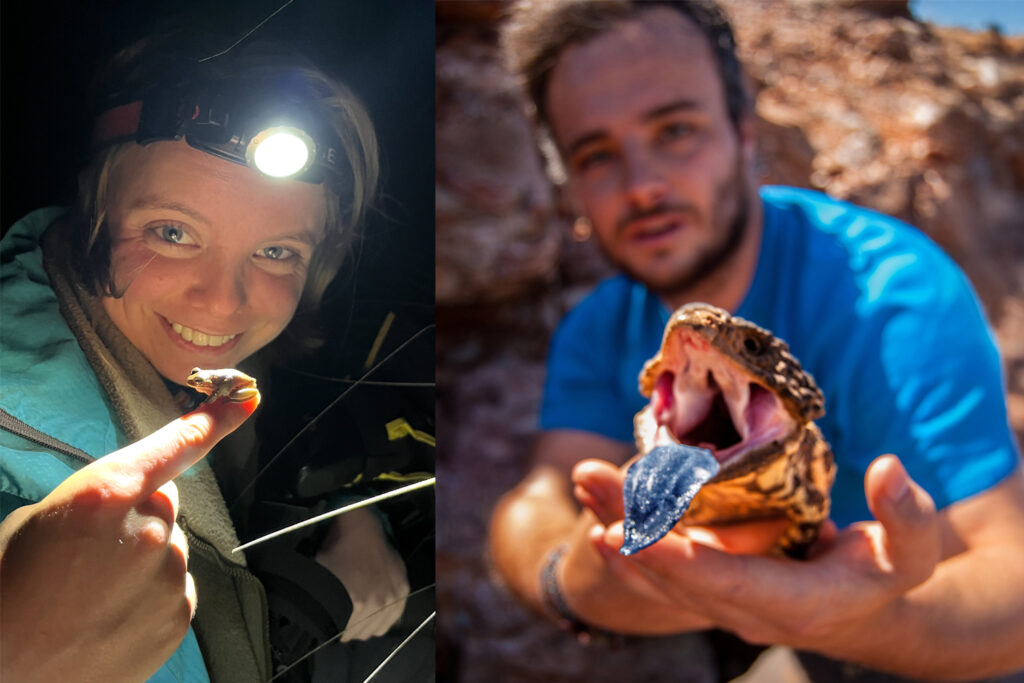
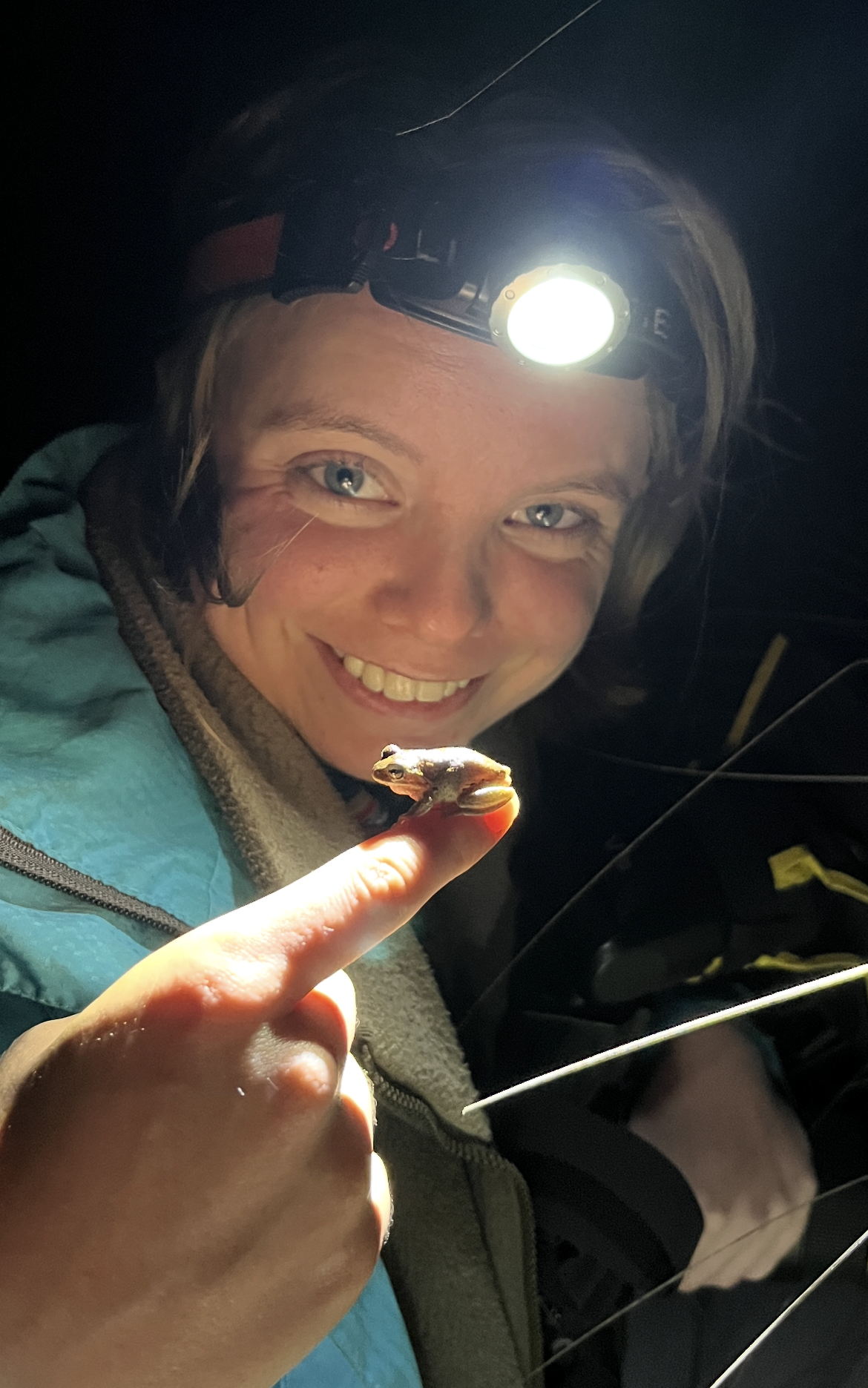
The Queensland Frog Society is proud to announce our 2026 Ric Nattrass Research Grant has been awarded to Ph.D student Tommi Mason at the University of Queensland!
Chytridiomycosis, which is caused by the fungal pathogen Batrachochytrium dendrobatidis (hereafter
Bd), has caused severe amphibian declines and local extinctions in the upper elevations of Queensland’s
coastal forests and freshwater streams.
Tommi’s project aims to explore differences in demographic patterns and Bd infection dynamics
between two Mixophyes iteratus (giant barred frog) populations; one at an upland (high risk) site and the
other at a lowland (low risk) site. She will investigate how infection dynamics and key demographic
parameters (including survival and recruitment) differ between these populations by undertaking
longitudinal capture-mark-recapture surveys.
It is anticipated that the research outcomes will provide valuable insights for government agencies
and conservation organisations, helping to guide recovery strategies for frog species that may be
experiencing population suppression due to disease.
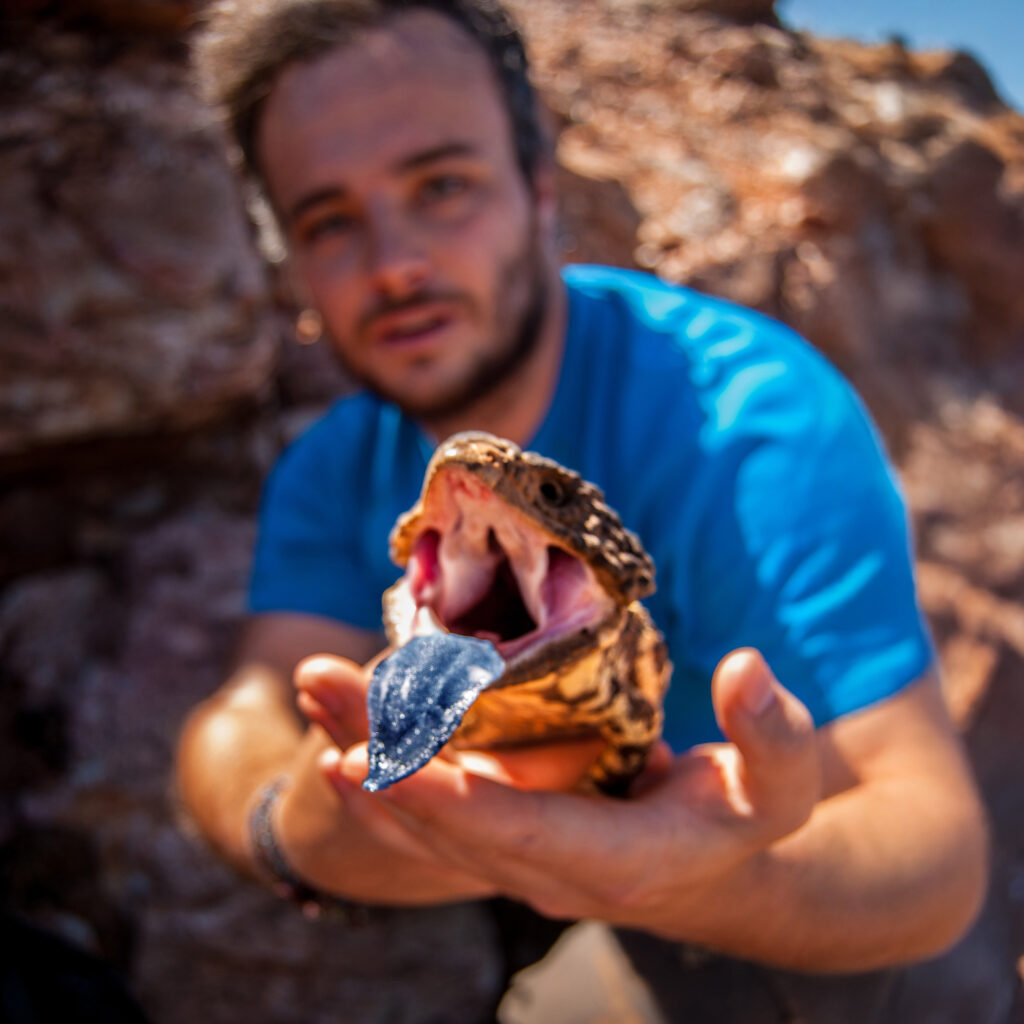
In addition to funding Tommi’s project, we are excited to announce through the generous support of our life member Phil Bird, a second research project has received funding.
Sebastian Hoefer, a Ph.D student from James Cook University, has spent several years Investigating the value of passive acoustic monitoring to enhance frog biodiversity assessments. Specifically, he has been evaluating the performance of passive acoustic monitoring (PAM) against traditional observer-based methods for frog biodiversity assessments, providing a robust framework for long-term conservation monitoring. Preliminary results demonstrate that that long-term PAM significantly outperformed all other OBM, capturing 98% of total species richness within a year.
These funds provided by Phil will support the finalisation of acoustic and statistical analyses and publication of these findings. This work directly benefits Queensland frogs by establishing improved, scalable monitoring methods essential for future conservation strategies and management plans.
We wish both Tommi and Sebastian all the best with their research this year and look forward to hearing them present their findings later in the year!